The challenges we are working on
- Social inequality: Poverty and unemployment are serious problems in rural areas of South Africa. People do not have access to sufficient services necessary for daily life, and opportunities to find work are limited.
- Climate change: Temperatures are rising at about twice the global average rate. Extreme weather events such as heat waves are increasing, and rainfall patterns are also changing.
- Educational and skills gaps: 81% of children cannot read and understand text by the age of 10. Furthermore, there is a shortage of skilled personnel in fields such as engineering, finance, and IT, hindering sustainable economic growth.
Solutions to the problem
- Isuzu Motors South Africa is developing its CSI (Corporate Social Investment) activities based on three pillars: "local communities," "education," and "environmental conservation," and is working to solve social issues from a long-term perspective.
Isuzu Motors South Africa (IMSAf) is engaged in various social contribution activities, including educational support and environmental conservation.
IMSAf refers to these activities as "CSI (Corporate Social Investment)." While it's a similar concept to CSR, which means corporate social responsibility, there's a reason why the word "investment" is used.
For IMSAf, social contribution is not just about fulfilling corporate responsibilities. It is an investment in the future, made of our own volition, for the sake of local communities, the people who live there, and the environment.
Why do they view social contribution as an "investment"? We spoke with Nandi Matomela, head of Corporate Affairs at IMSAf, about the social challenges facing South Africa and IMSAf's initiatives.

- expansion
- Nandi Matomela
――まず、 IMSAf の事業について教えてください。
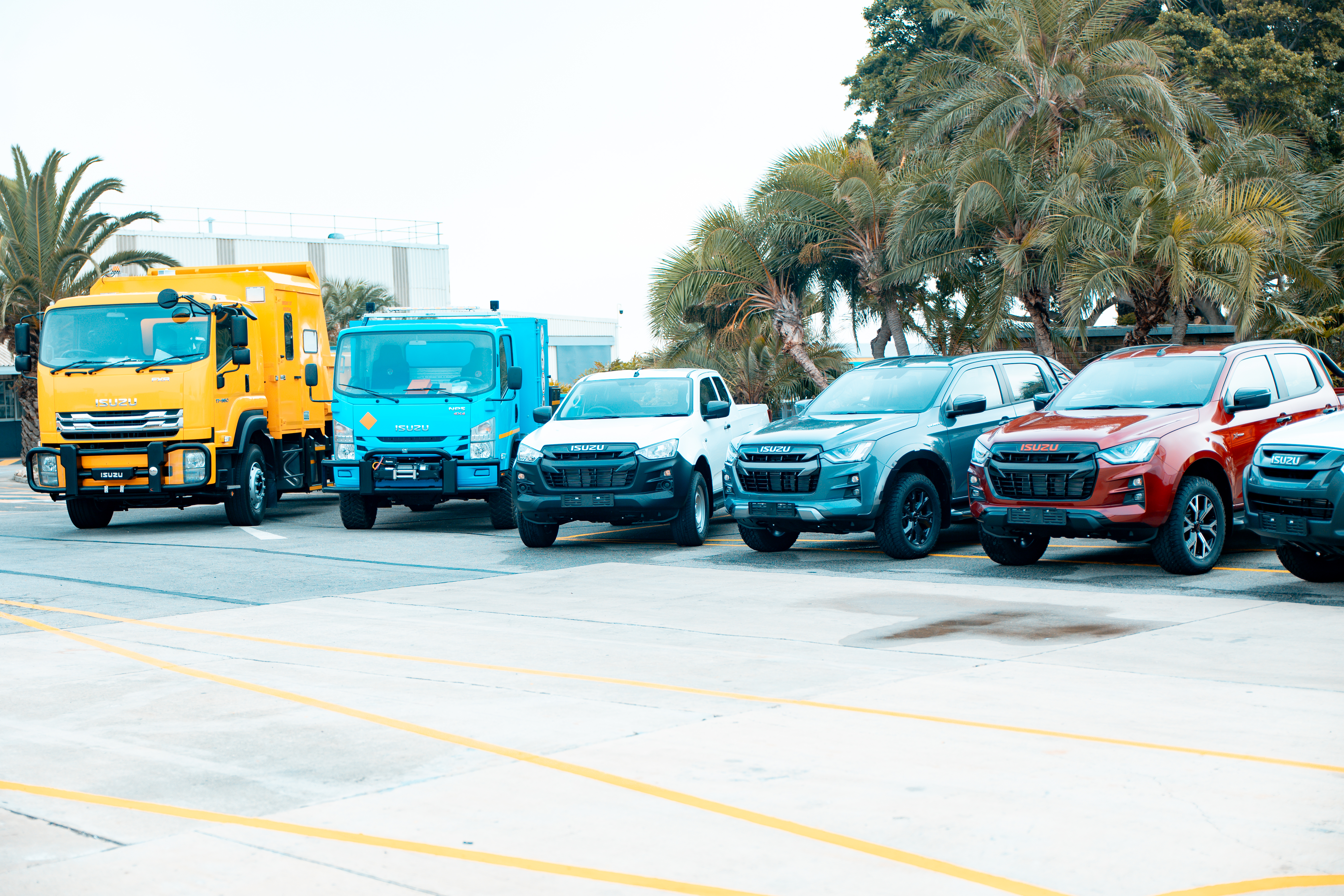
Nandi: Isuzu has been operating in South Africa for over 60 years. We started producing pickup trucks in 1978 and have a long history of supporting the mobility and transportation needs of the people of South Africa.
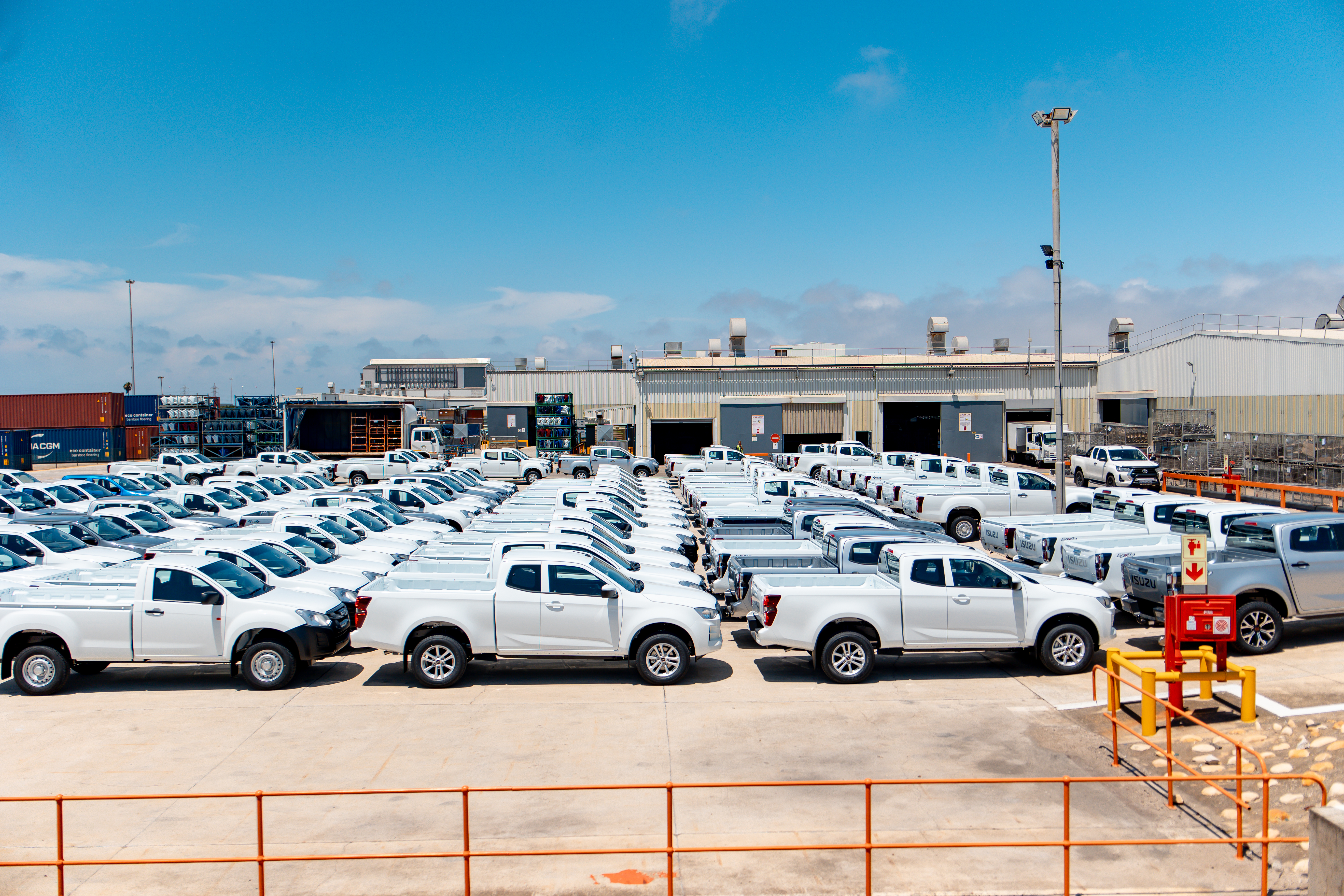
In January 2018, IMSAf was established as a wholly owned subsidiary of Isuzu. Currently, it manufactures and sells pickup trucks, SUVs, and other trucks, delivering vehicles to the African market.
Through these projects, we have become acutely aware of the various challenges facing local communities, such as unemployment, wealth inequality, lack of educational opportunities, and the impacts of climate change.
As we became aware of these realities, we came to believe that our role is not limited to just manufacturing vehicles. We also believe that contributing to the improvement of South African society and economy is an important role for our company.
――南アフリカでは、具体的にどのような社会課題があるのでしょうか。
Nandi: The challenges facing South Africa are complex and deeply interconnected. Therefore, resolving them will require a long time and cooperation from various organizations.
One of the major challenges is the gap between rich and poor. Especially in rural areas and regions where support is insufficient, in addition to poverty and unemployment, people may have difficulty accessing essential services for daily life.
According to data from Statistics South Africa, approximately 23.2 million people, or 37.9% of the population, live in poverty, unable to afford basic living expenses.
Education is also a serious challenge. Many children still have difficulty reading and understanding texts even at the age of 10, which affects their future learning and career choices. In addition, there is a shortage of skilled personnel in fields such as engineering, finance, and IT, which is hindering economic growth.
Furthermore, climate change is having a significant impact on people's lives. Temperatures in South Africa are rising at approximately twice the global average rate, resulting in unusually high temperatures and changes in rainfall patterns. In the past 40 years, there have been more than 40 major flood disasters, and their frequency and scale are increasing.
These social issues serve as the starting point for our CSI activities.
――そのような課題に対して、IMSAfはCSI活動を通じて何を実現しようとしているのでしょうか。
Nandi: We see CSI as an investment in people, communities, and a sustainable future for South Africa.
Our philosophy is simple: manufacturing vehicles is only one part of Isuzu's business. Making local communities better and stronger is also an important mission for us.
Under Isuzu's mission of "Solving the challenges of 'transportation' together with you," CSI aims to enhance the resilience of local communities in overcoming difficulties, improve the educational environment, nurture future leaders, protect the environment, and expand the potential of young people.
Therefore, we place great importance on being able to concretely verify the results of our activities and on creating long-term value.
――活動によって、実際にどのような成果が生まれたのかを確かめることが重要なのですね。
Nandi: That's right. Our goal isn't to provide support just once and then be done with it.
We believe it's important to understand what local people truly need, and to engage in long-term support while verifying its effectiveness.
――具体的には、どのようなCSI活動を行っているのでしょうか。
Nandi: IMSAf's CSI activities are structured around three key pillars: "Community," "Education," and "Conservation."
地域社会
In supporting local communities, we collaborate with the South African humanitarian organization "Gift of the Givers" to help people facing disasters and other life difficulties.
For example, in response to the fires that occurred in January of this year, we provided support for relief efforts in the affected areas. We believe it is important to deliver assistance quickly to areas struck by sudden disasters.
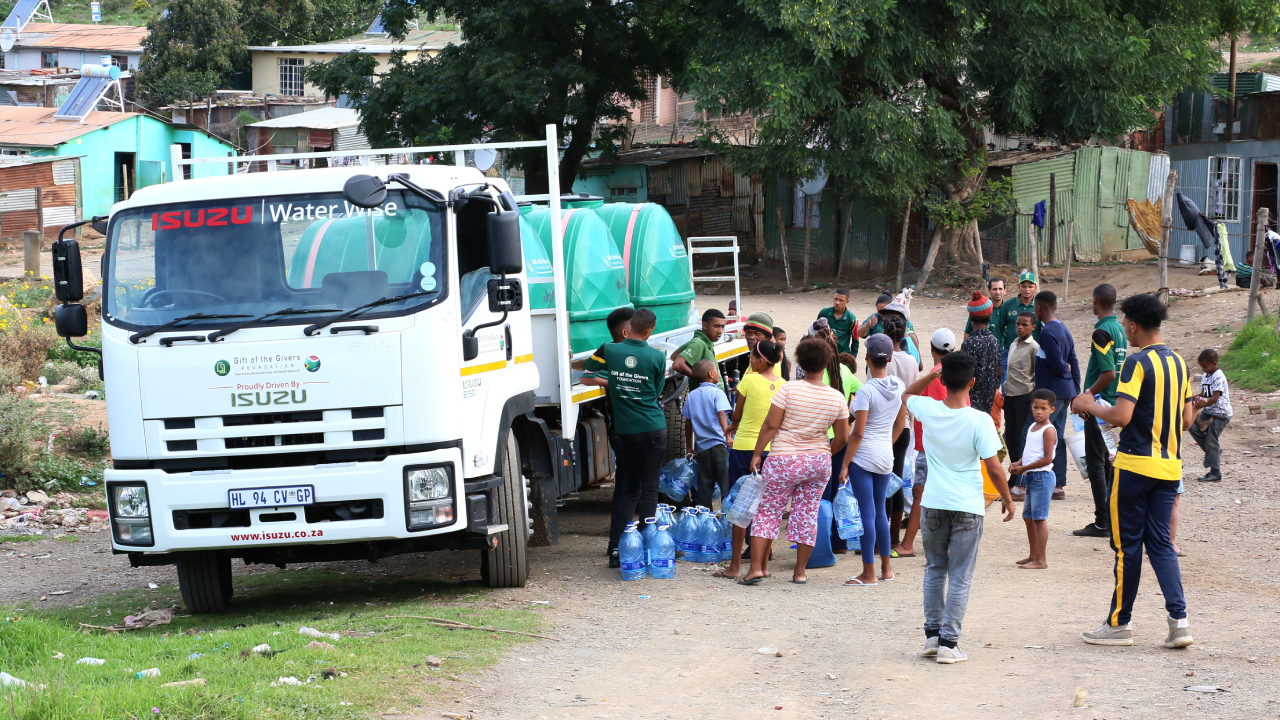
In fiscal year 2025, we utilized three water tankers to deliver a total of 29.6 million liters of clean water to areas suffering from prolonged droughts.
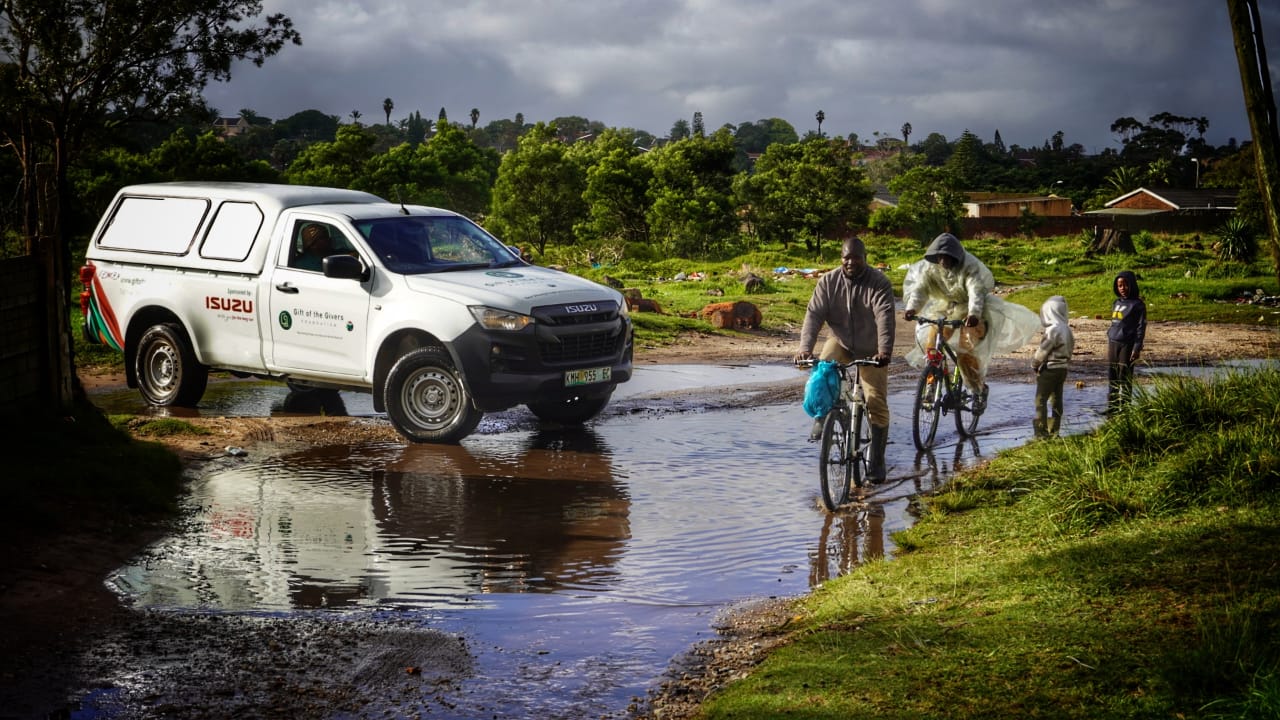
We are also working on food aid using three Isuzu D-MAX vehicles. One example is food aid utilizing invasive carp. In South Africa, invasive carp can have a negative impact on the ecosystems of rivers and lakes. Therefore, we use the captured carp as food and deliver it to people in need in the region. This initiative is unique in that it addresses food shortages and conserves the natural environment at the same time.
D-MAX helps aid workers travel to communities and deliver food. Through these efforts, we have been able to deliver food to 526,000 people.
教育
In the field of education, we provide comprehensive support, from improving basic academic skills such as reading, writing, and mathematics, to creating opportunities to learn knowledge and skills that will be useful in the future, such as science, technology, engineering, art, and AI.
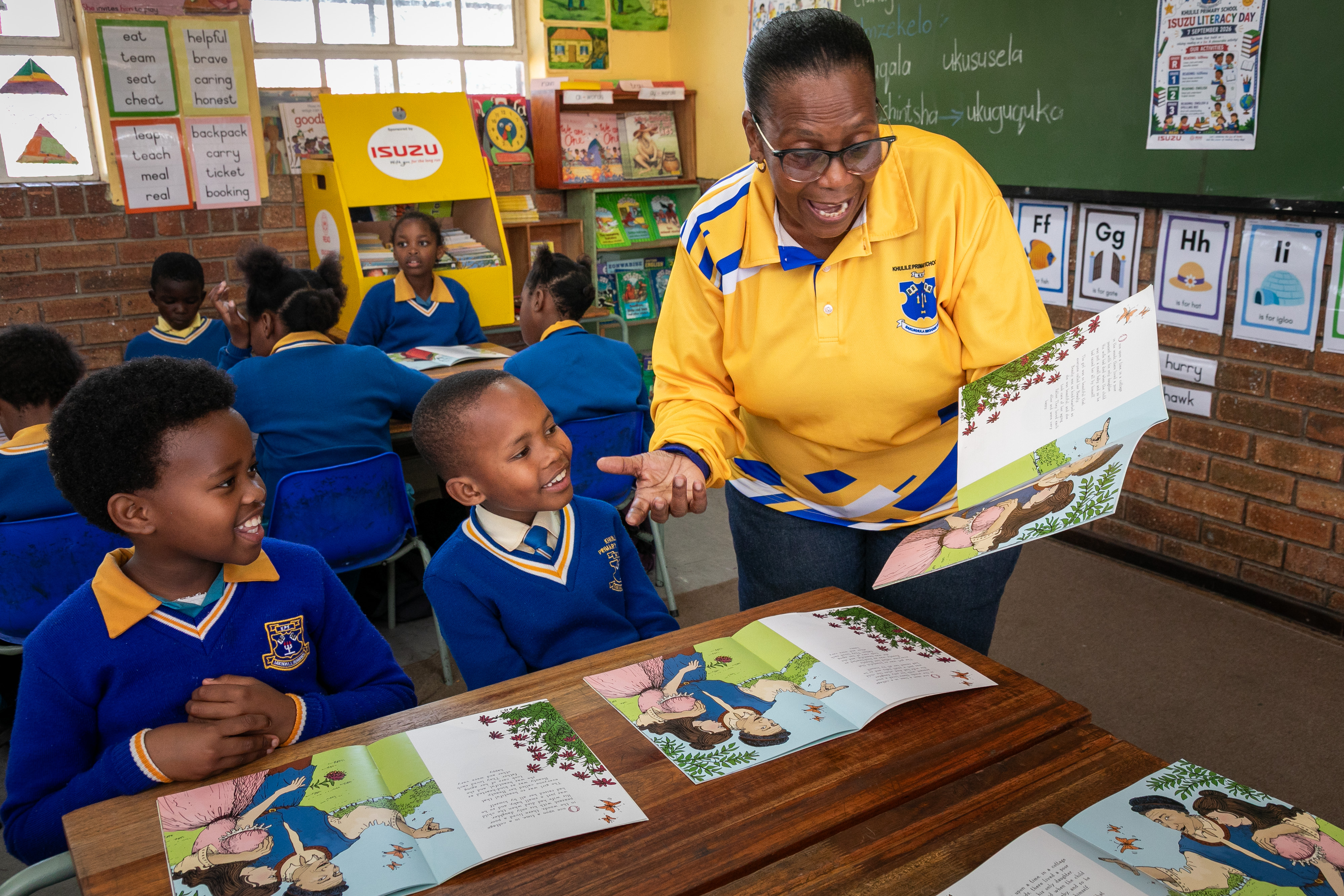
For example, we invested 1 million rand (1 rand is approximately 7-9 yen) in an educational support program called "Rally to Read." We are supporting three schools: Khulile Primary School, St Albans Primary School, and Kayser Ngxwana Primary School.
For example, at Khulile Primary School, the average English score for third graders improved from 58.74% in 2023 to 68.70% in 2025. Across all three schools we support, the average grade level has also improved.
- expansion
- Khulile Primary School
We provide opportunities not only to develop fundamental academic skills but also to engage with cutting-edge technologies.
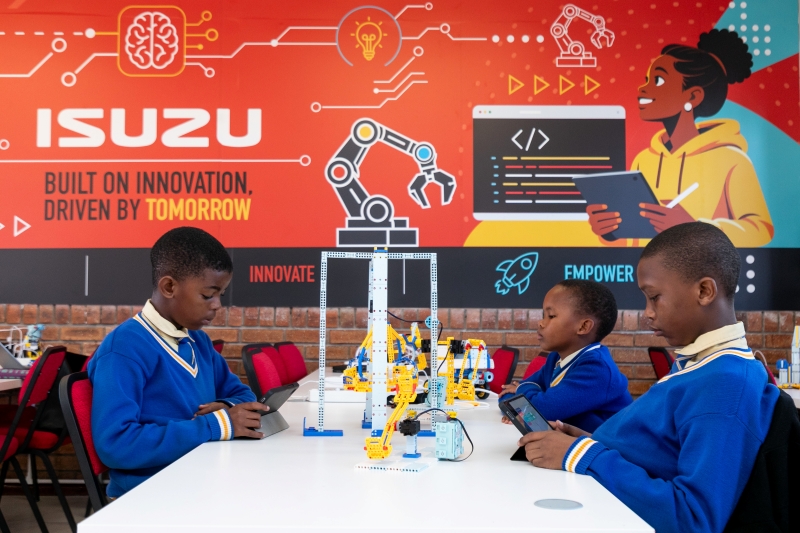
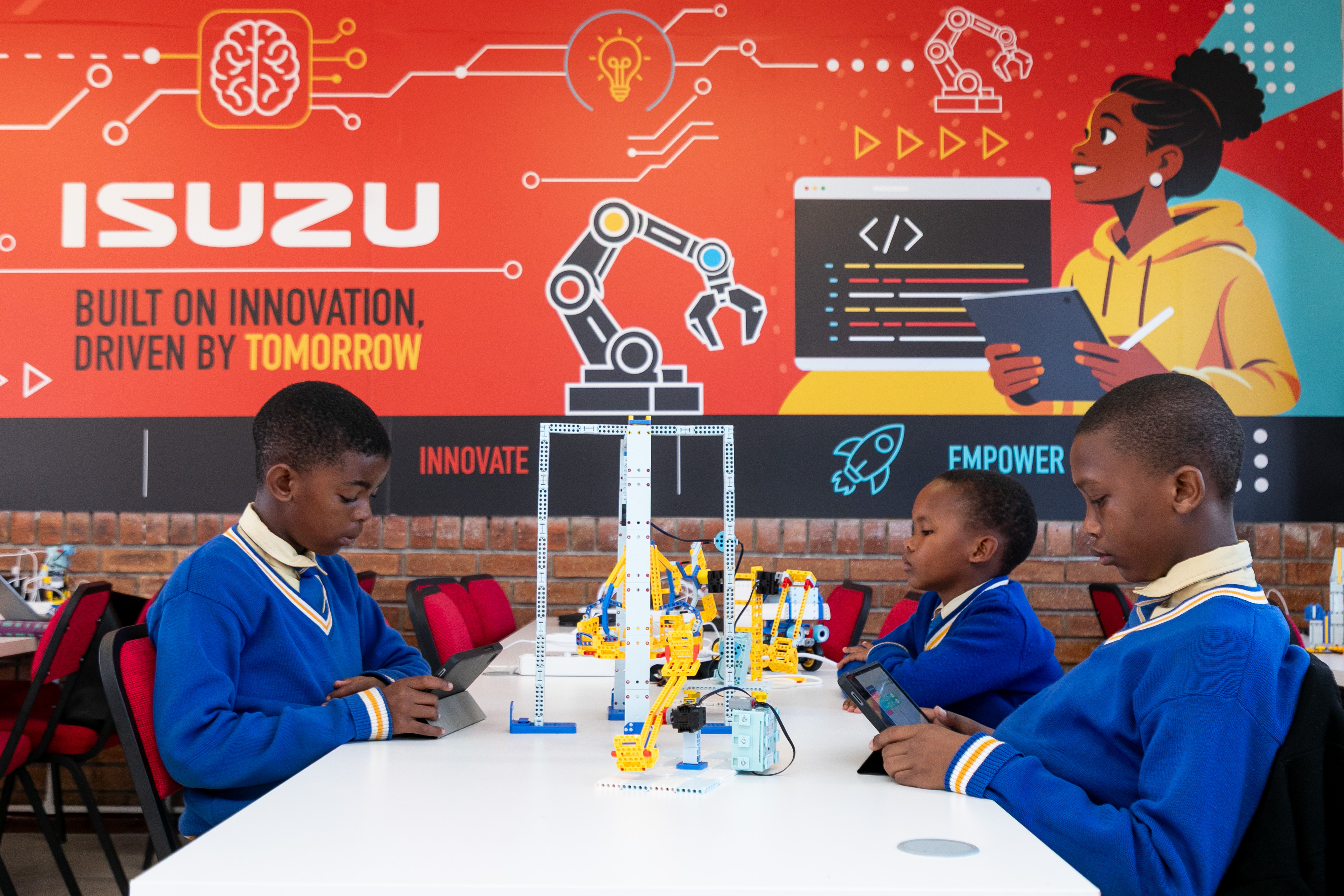
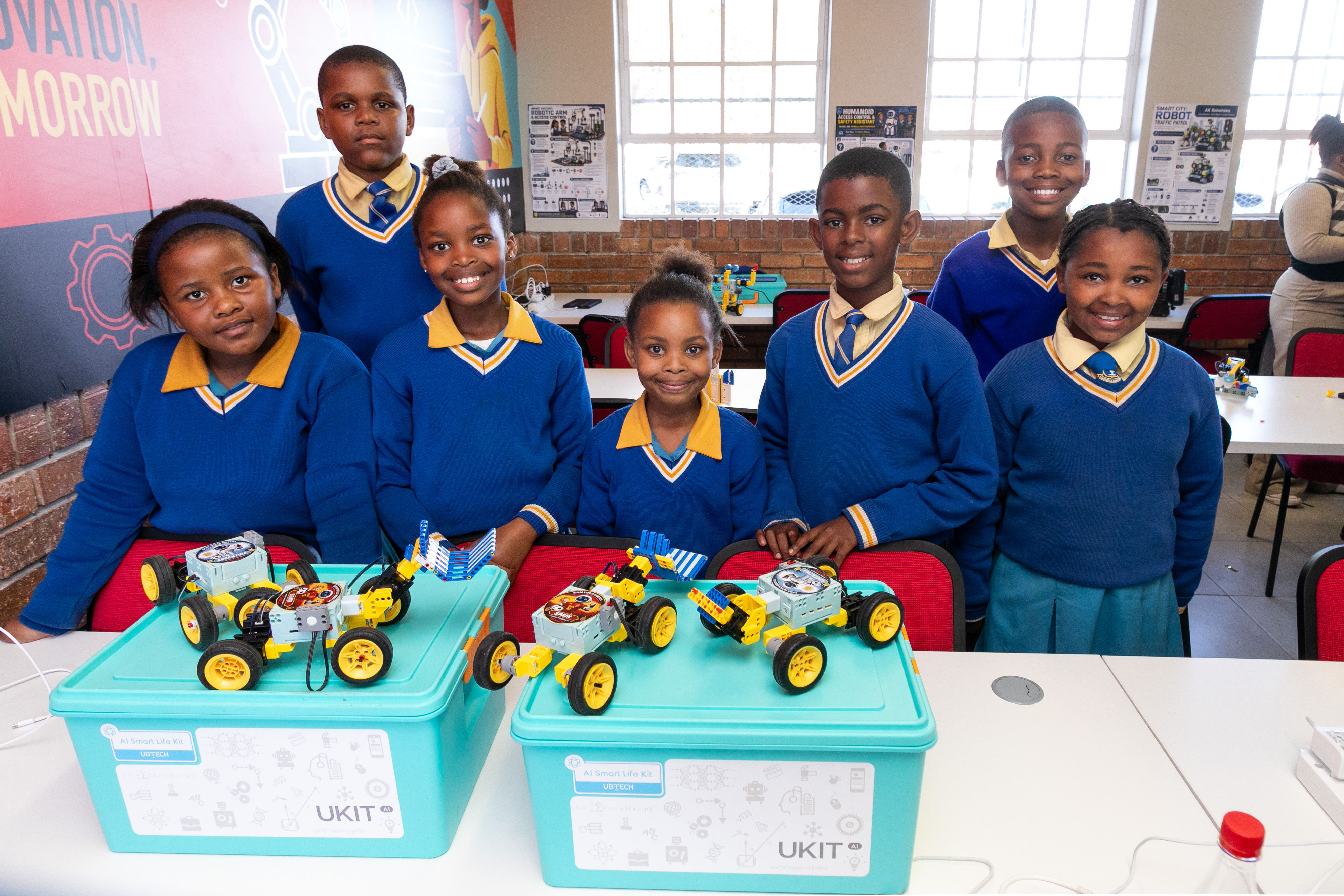
Astra Primary School invested 1.2 million rand to establish its first "AI, Programming, and Robotics Learning Center." This included providing robotics materials and tablets, renovating classrooms, and training teachers, creating an environment where 850 children can learn programming, robotics, logical thinking, and problem-solving skills.
Furthermore, in July 2026, a second learning facility was established at Khulile Primary School with an investment of approximately 2 million rand. Here, 650 students from preschool to 7th grade can be exposed to new digital technologies.
We also place a strong emphasis on science and mathematics education.
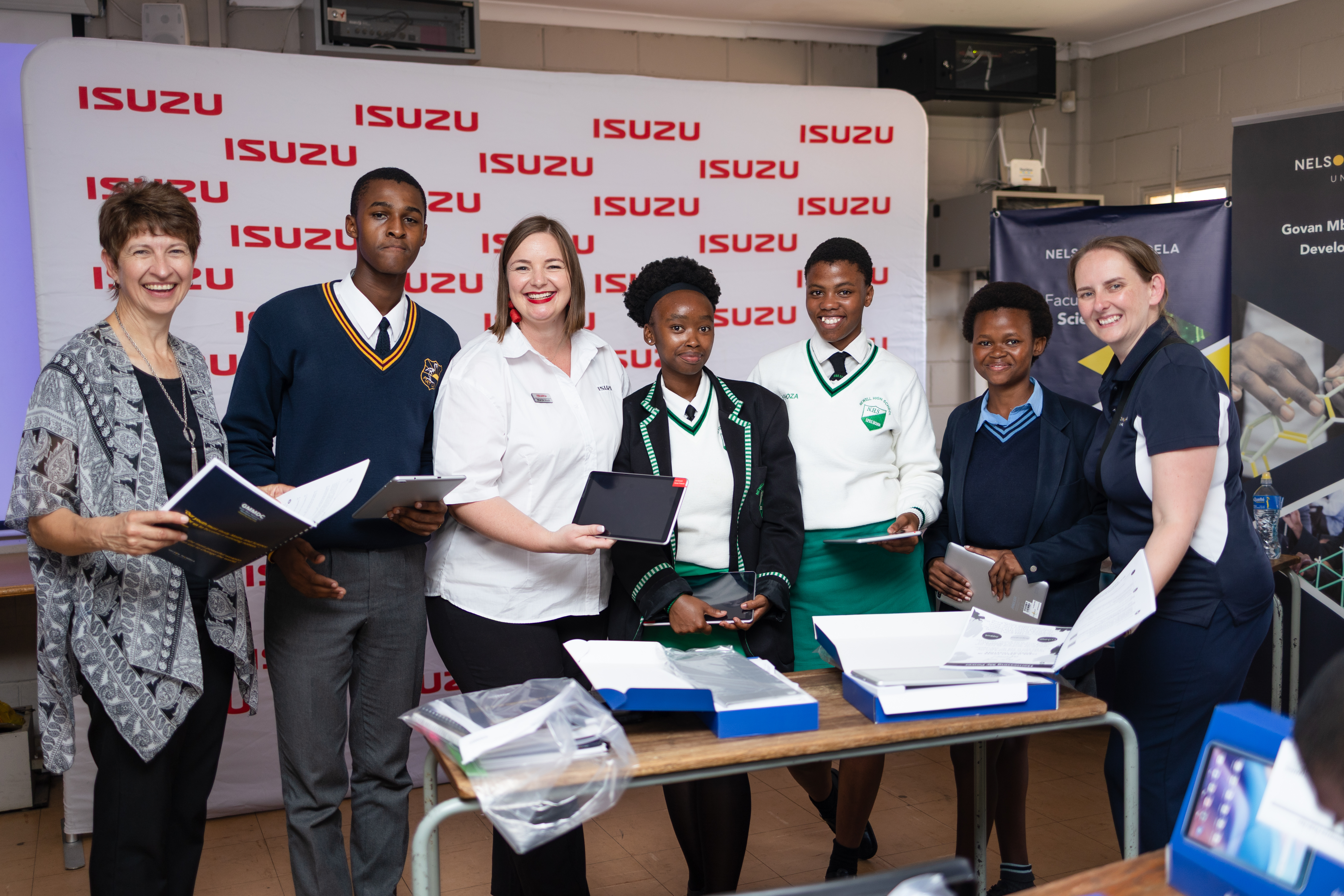
We invested 500,000 rand in an educational program with the Govan Mbeki Mathematics Development Centre. As a result, the participating children's math scores improved by 30% and their science scores by 39%, exceeding the respective targets of 24% and 16%.
- expansion
- Govan Mbeki Mathematics Development Centre
In addition, we have contributed 300,000 rand to mechatronics education at Nelson Mandela University, supporting 40 students. The students are learning how the knowledge they acquire at university can be applied in a manufacturing setting, while being exposed to real-world technical challenges related to IMSAf factories.
環境保全
In environmental conservation, we are working to protect various living creatures and the natural environment, to use resources efficiently, to utilize clean energy, and to raise people's environmental awareness.
One example is our support for SANCCOB (Southern Africa Foundation for the Conservation of Coastal Bird), which works to protect seabirds.
SANCCOB rescues seabirds in need of protection and provides them with treatment and rehabilitation. These activities require a stable power supply, day and night.
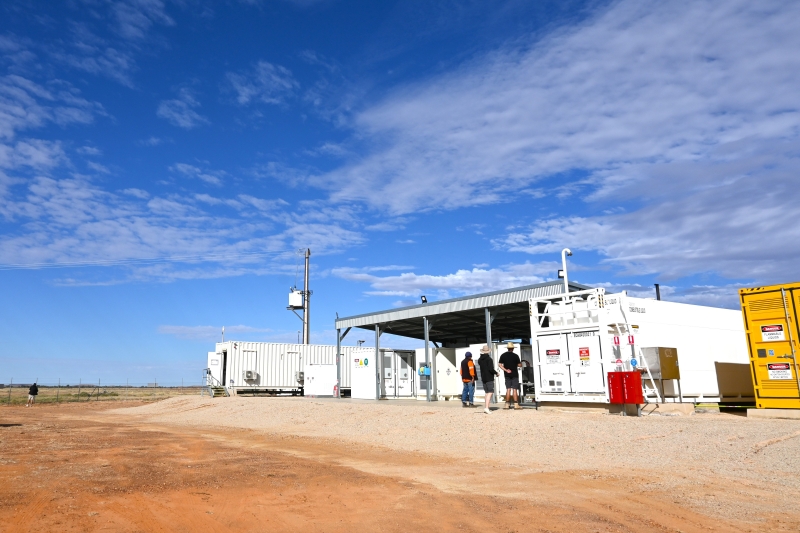
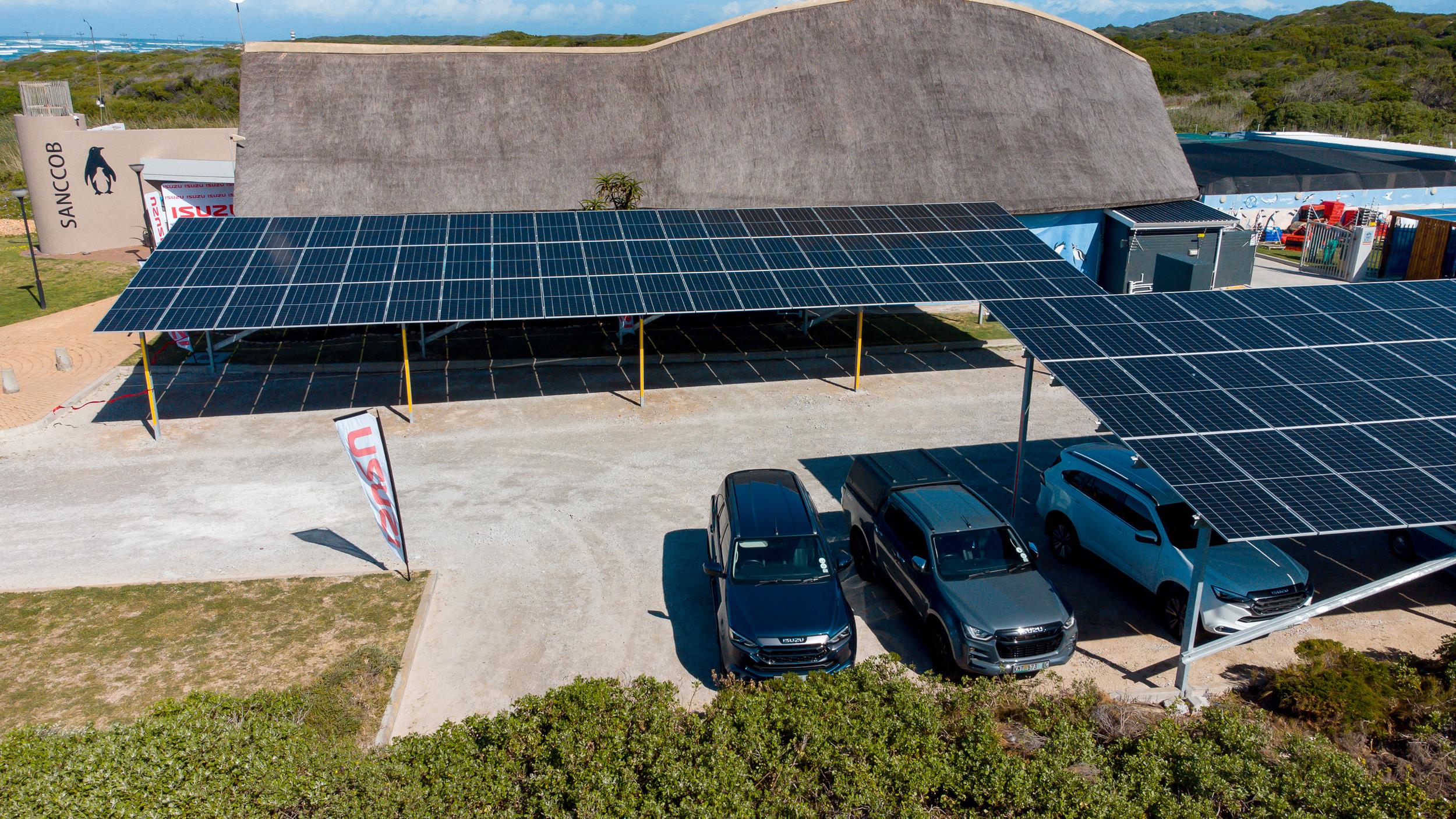
Therefore, IMSAf invested 500,000 rand to support the development of solar power generation facilities.
This ensures that conservation activities can continue even in the event of a power outage, supporting 24-hour care for seabirds.
Furthermore, we were able to reduce our monthly electricity bill by 85%. The money saved on electricity costs will allow us to use more funds for rescuing, treating, and rehabilitating seabirds.
Seabirds are important indicators of the health of the marine environment. Protecting seabirds also contributes to protecting the rich ecosystem along the South African coast.
- expansion
- Solar panels installed at SANCCOB
We are also involved in tree-planting activities. In an initiative in cooperation with an environmental conservation group, we invested 180,000 rand and initially aimed to plant 400 trees, but we were actually able to plant 4,748 trees.
Tree planting not only restores habitats for living creatures and promotes carbon dioxide absorption, but it also provides an opportunity for local people to think about environmental issues.
Furthermore, we are promoting initiatives to support local recycling and waste management in order to realize a circular economy that reuses resources repeatedly.
Measurable results and evaluation from the local community
――これまでさまざまな成果が生まれていることがわかりました。こうした活動は、社外からも評価されているのでしょうか。
Nandi: Yes. IMSAf's initiatives are highly regarded outside the company as well.
In 2023, the company was recognized for its contributions to the local community and received the Herald Nelson Mandela University Citizen of the Year Award in the business category. This award recognizes individuals and organizations nominated by local residents for their activities that inspire hope, serve people, and have a positive impact on society.
During 2024 and 2025, we also received special recognition award at the prestigious National Association of Automobile Manufacturers of South Africa (naamsa) Accelerator Awards for its contributions to local communities.
Furthermore, at the Eastern Cape Exporters Awards, the company was recognized for its efforts in environmental conservation and sustainability, receiving the "SJM Flex Environmental Merit Award" in 2024 and 2025.
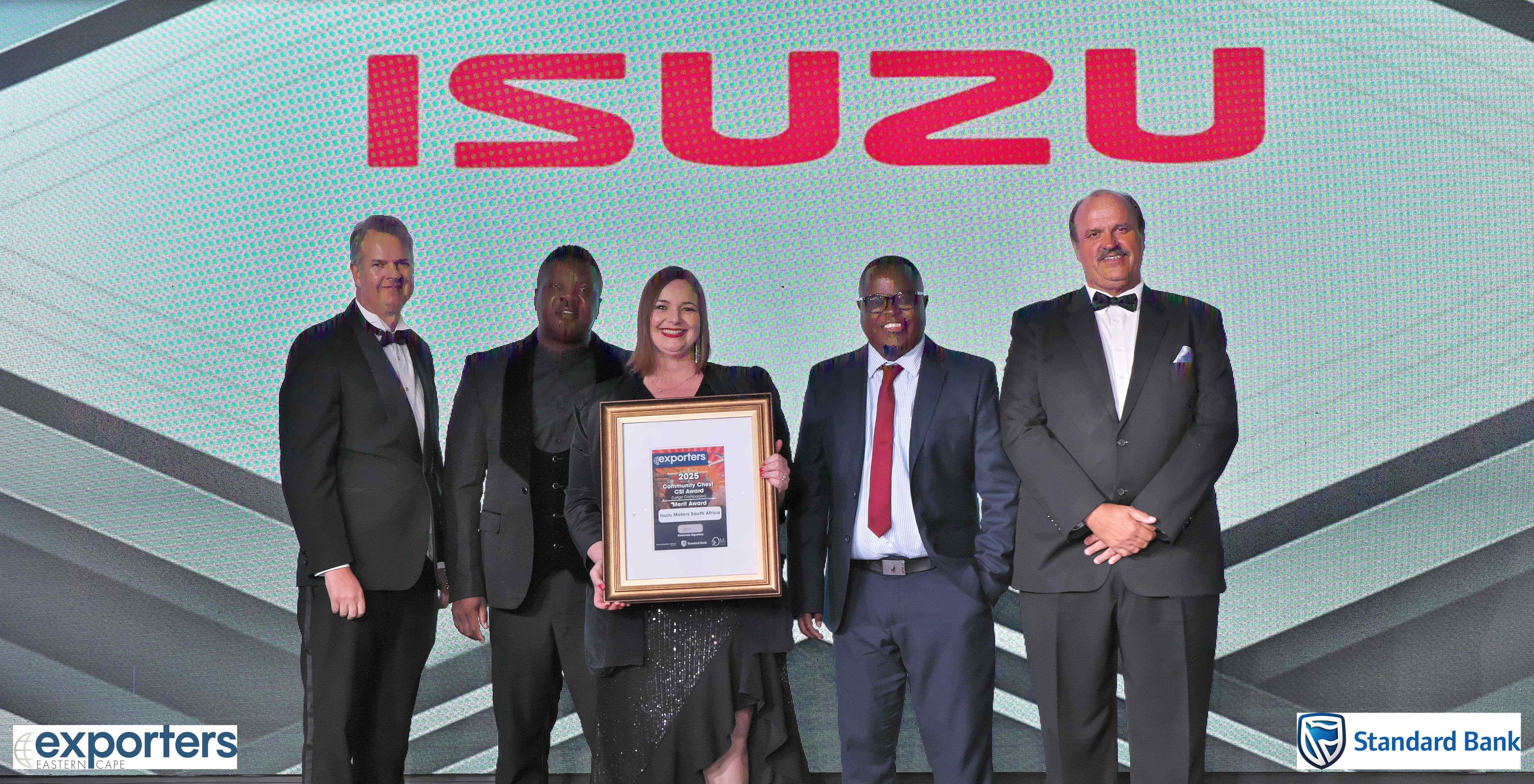
- expansion
- SJM Flex Environmental Merit Award
We believe these accolades are a testament to our commitment to being a responsible company and contributing to the local community in the Nelson-Mandela Bay metropolitan area where we are based.
Trust from the local community is essential for a company to continue its business. We are very pleased that our commitment to working together with local people and striving to make society better through our CSI activities has been recognized.
Don't let support end with just a one-time effort. The long-term value created through cooperation with the local community.
――これほど幅広い活動を進めるなかで、どのような難しさがありますか。また、それをどう乗り越えているのでしょうか。
Nandi: One of the most difficult things is figuring out what kind of support the local people really need. The support we think they'll need isn't always the right fit for the local situation.
South Africa's social challenges are complex and cannot be solved by a single organization alone.
That's why we work with trustworthy organizations that have a deep understanding of local conditions and extensive experience. We believe that this allows us to deliver effective support to those who truly need it.
In fiscal year 2025, we were able to achieve or exceed our annual targets in many of our initiatives in local communities, education, and environmental conservation. This was only possible thanks to the cooperation of our partners.
Another challenge is to ensure that the support is not a one-time event, but rather an activity that generates long-term value.
To that end, we emphasize initiatives that lead to long-term results, such as educational support to improve literacy, skill acquisition for young people, environmental conservation, the use of renewable energy, and local recycling activities.
Furthermore, we carefully monitor the progress and results of our activities, and we proceed systematically with the activities underway, with the cooperation of all relevant parties within the company.
Investing Today for a Better Tomorrow

――最後に、今後の目標について教えてください。
Nandi: Going forward, we would like to further enhance our activities that produce concrete results, focusing on the three pillars of community, education, and conservation.
And what we want to emphasize in all our activities is to verify the results and continue to improve. We will make our activities better by determining what is working well and what needs to be changed.
Our goal is to embody Isuzu's purpose, "Moving the World – for You," and our mission to create a better life through "transportation," by contributing to society.
The power of mobility, responsible investment in the future, and collaboration with trusted partners.
By combining these elements, we aim to create a stronger community that can overcome challenges and generate lasting value.