- Sustainability TOP
- Environment
- Resource Recycling Promotion
Resource Recycling Promotion
Basic Approach
Our daily lives, society, and business activities are all supported by many resources. At the same time, there is a need to shift toward a society that makes circular use of these finite resources. As a result, the importance of the "circular economy," which aims to balance reduced environmental impact with sustainable growth through the effective use of products and resources, continues to rise. The Isuzu Group is advancing activities toward the Aspiration of "100% recycling of waste and end-of-use vehicles" set out in Isuzu Environmental Vision 2050. As a shared concept across the Group, we have defined the circular economy as "an economic model that maximizes value by circulating resources and products within business operations and using materials for as long as possible." The scope covers business activities, products and services, as well as "materials" such as raw materials and auxiliary materials, while energy-related initiatives are treated separately, as part of the carbon-neutral domain. We have also organized our approach to the effective and circular use of resources at each stage, from design, production, and distribution to use, collection, and recycling, and have created a conceptual diagram to illustrate this. We will continue to work toward realizing the circular economy through collaboration both within and outside the Group.
| Isuzu Environmental Vision 2050 | 2030 Environmental Roadmap | |
|---|---|---|
| Aspiration | 2030 Challenge | Global Action |

100% recycling of waste and end-of-use vehicles |
|
|
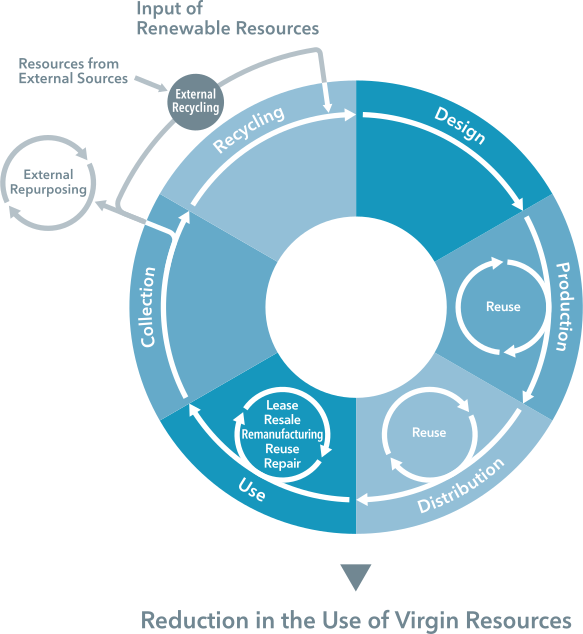
This diagram illustrates the concept of reducing the input of virgin resources through the circular use of resources. The Isuzu Group also considers it important for customers to use products for a long time, and is therefore promoting initiatives such as remanufacturing* and repair.
- *"Remanufacturing" refers to a process in which a used product is collected, disassembled, has its parts replaced, and is otherwise restored to like-new condition.
Initiatives
Reducing Resource Use
Reduction of Packaging and Packing Materials: Expanding the Use of Returnable Racks
As part of the Isuzu Group's efforts to reduce environmental impact throughout logistics, we are promoting the expansion of environmentally friendly packaging materials, considering the entire process from packaging and shipping within the Group to disposal at overseas plants. In particular, since 2017, we have been advancing the introduction of returnable racks, which can be used repeatedly and are common to all destinations, and gradually expanding their use in the transportation of parts between plants in Japan and overseas. The expanded use of returnable racks has enabled us to reduce the use of one-way racks for packaging knockdown (KD) parts, which previously became waste at overseas assembly plants.

The previously wooden, one-way cab racks were switched to iron returnable racks. This eliminated the need for tasks such as removing nails during wood disassembly at the time of disposal, thereby improving safety during operations. Additionally, starting in fiscal 2022, to make use of the upper space that arises when loading completed cabs into containers, we developed returnable parts racks that fit under the cab racks. This improved container fill rates through stacking. By loading large parts such as axles, along with parts that had previously been shipped in other containers, onto these returnable parts racks, we have been able to reduce the use of 40-foot shipping containers by approximately 300 a year, contributing not only to resource conservation but also to the reduction of greenhouse gas (GHG) emissions during transportation. In fiscal 2020, we also developed lightweight returnable racks that reduced individual rack weight by 33% compared to conventional ones, as well as racks in two different heights to increase container fill rates. In fiscal 2024, the deployment of these racks to major destination countries was completed. We also began developing a cab returnable rack for the new model vehicle in fiscal 2025 and additionally introduced it in fiscal 2026. This resulted in a cumulative total of 162,000 returnable racks used in fiscal 2026. We will continue to promote the effective use of returnable materials to reduce environmental impact and improve logistics efficiency.


Reduction of Packaging and Packing Materials: Expanding the Reduction of Stretch Film, Cardboard, and Printed Forms
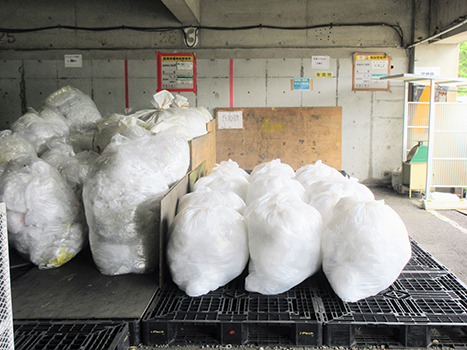
As part of its resource circulation activities, the Isuzu Group is working to reduce the amount of materials used for transportation between domestic sites. At Isuzu Logistics, when transporting packaged materials between two sites in Japan, a two-tiered cart is used, and since the work takes place outdoors, a rain cover is placed over the cart. In the past, stretch film was wrapped around the rain cover and secured to prevent packaged parts inside from shifting or falling. However, this stretch film was disposed of after each transport, and the resulting waste had become an issue. In addition, lifting a 50 cm, 2 kg roll of stretch film and wrapping it around the two-tiered cart twice placed a significant burden on workers, with risks of back pain and falls. Therefore, starting in October 2024, the stretch film was replaced by lashing belts that can be used repeatedly. This makes operations easier, as the load can now be secured by wrapping just two lightweight lashing belts, and in terms of quality, it helps prevent packaged materials from falling off the cart. This initiative has reduced the amount of stretch film waste by approximately 5 tons per year and improved operational efficiency. Starting in fiscal 2026, production sites in our logistics network also began loop recycling of used stretch film. Used stretch film is sorted, and only the clear, uncontaminated film suitable for reuse is handed over to the material manufacturer. The manufacturer processes it into recycled raw material, which is then made into "material for the same use and the same product." As a result, approximately 51 tons of the stretch film discharged each year is now diverted to loop recycling, contributing to reduced CO2 emissions as well as reduced use of raw materials. In addition to stretch film, starting in fiscal 2026, we also reviewed the waste disposal contractors used at parts distribution centers nationwide, switching to contractors capable of recycling. As a result, approximately 88 tons of paper materials, such as cardboard, that had previously been treated as general waste can now be recycled. Furthermore, for replenishment parts shipped to parts distribution centers nationwide, destination slips had previously been attached separately on top of instruction slips. By color-coding the instruction slips themselves by destination, the separate destination slips became unnecessary, reducing printed materials by approximately 50,000 sheets annually. Through these efforts, in fiscal 2026 we reduced printed materials across parts replenishment operations as a whole by approximately 10% compared with the previous year, or just under 170,000 sheets a year. We will continue to reduce environmental impact by pursuing both waste reduction and resource circulation.


Reduction of Packaging and Packing Materials: Switching from Plastic Fixing Material to Corrugated Cardboard Fixing Material
The Isuzu Group examines environmentally friendly packaging methods daily to create a sustainable society. In fiscal 2025, with the first KD production of an EV model, Isuzu Logistics started full-scale development and adoption of environmentally friendly packaging materials in line with the vehicle concept. In the past, when designing packaging specifications, plastic foam, which is derived from petrochemicals, was mainly used as a fixing material for parts. However, in line with the vehicle concept for the EV and to reduce the use of petrochemical-derived packaging materials, the entire team worked on adopting fixing materials made of corrugated cardboard, more than 95% of which is recycled within Japan. Corrugated cardboard fixing materials differ greatly in properties from foam materials, requiring new ideas and approaches not used before. Through repeated prototyping, adoption has steadily expanded. This process has also contributed to the accumulation of know-how, improved technical capabilities, and a shift in environmental awareness. Although there were many challenges to be overcome in terms of quality, cost, workability, and operations, we collaborated with material manufacturers and relevant departments, and we were able to reduce plastic foam material by 308 kg per year by introducing corrugated cardboard fixing material for eight parts including the radiator of the EV starting in June 2024. In fiscal 2026, in addition to laminated cardboard, we advanced consideration of a variety of environmentally friendly packaging materials, including honeycomb cardboard and assembly-type cardboard fixing materials. By prioritizing both cost and workability and repeating trial and error, we succeeded in adopting corrugated cardboard fixing materials in three cases. Furthermore, we have expanded our efforts into the large parts field, where adoption had previously been difficult, and are working with material manufacturers to develop large corrugated cardboard fixing materials for Diesel Particulate Defuser (DPD). We will continue to incorporate environmentally friendly designs and contribute to reducing the impact on the environment in packaging.
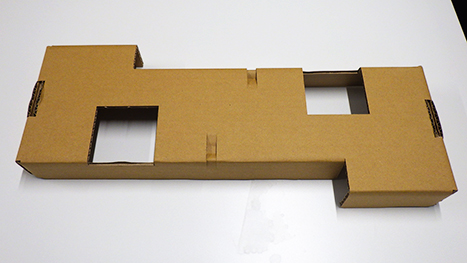
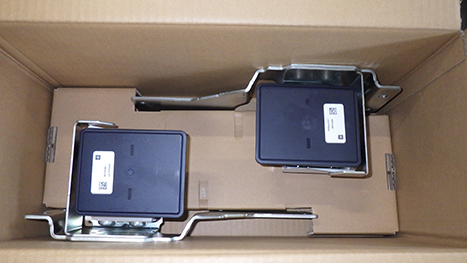
Packaging of parts using corrugated cardboard fixing material
Effective Use of Water Resources
Isuzu's business activities use large volumes of water in many situations, including vehicle manufacturing, plant maintenance, and wastewater treatment. To conserve limited water resources, we are working to reuse process water and treated wastewater, as well as to reduce water usage.
Reuse of Products and Parts
Maintenance Leases Utilizing Remanufactured Units
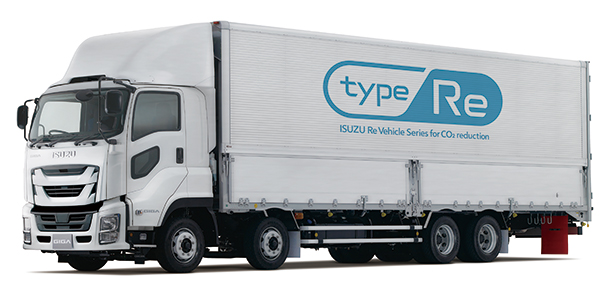
Isuzu provides maintenance lease services for reconditioned vehicles (remanufactured unit vehicles), using Isuzu's remanufacturing*1 technology. This technology restores reusable engines, transmissions, and other major components to like-new functionality in vehicles returned at the end of short-term, high-utilization leases. In addition to the GIGA type-Re heavy-duty truck, we began offering the FORWARD type-Re medium-duty truck in March 2025 in response to customer requests. This has established a framework that allows remanufactured unit vehicles to be used across a wider range of transportation applications, from trunk-line transport to medium-distance and regional deliveries. In the restoration process of remanufactured unit vehicles, the advanced genuine maintenance service PREISM is used to assess the vehicle's condition and identify which parts need replacement. By conducting inspections and maintenance based on each vehicle's operating conditions and service history, we strive to ensure that customers can use remanufactured vehicles with the same peace of mind as new ones. PREISM is a service that uses condition data transmitted from vehicles to support predictive and preventive maintenance and reduce vehicle downtime. By reusing parts, we not only contribute to resource circulation but can also reduce CO2 emissions during manufacturing by approximately 76 tons per vehicle for heavy-duty trucks*2 and approximately 28 tons per vehicle for medium-duty trucks*3 compared to new vehicles. This also contributes to reducing GHG emissions. In fiscal 2026, building on our track record with existing vehicle types, we worked with regional dealerships to identify vehicles suitable for restoration and provision as remanufactured unit vehicles, based on customers' usage conditions, service history, and vehicle condition. In addition to re-offering vehicles through maintenance leases, we are also considering other approaches, such as reselling remanufactured unit vehicles, to make circular-economy vehicles available to more customers. In the future, we intend to draw on the track record and knowledge we have built up to expand our services to other vehicle types and equipment requested by customers, such as tractor heads and refrigerated and freezer trucks. We will consider approaches to restoration and maintenance tailored not only to the vehicle itself but also to installed equipment and intended use, and will work with dealerships, service sites, and customers to expand opportunities for using remanufactured unit vehicles. Through maintenance leases for remanufactured unit vehicles, Isuzu supports customers' vehicle operations while reducing resource input, lowering CO2 emissions during manufacturing, and extending the long-term value of vehicles, thereby working to expand our circular business.
- *1The term "remanufacturing" refers to making used products into like-new products through disassembly, parts replacement, etc. following the collection of used products.
- *2Calculated based on a heavy-duty GIGA truck that has traveled approximately 1 million kilometers over five years.
- *3Calculated based on a medium-duty FORWARD truck that has traveled approximately 700,000 kilometers over five years.
Promotion of Rebuilt Products
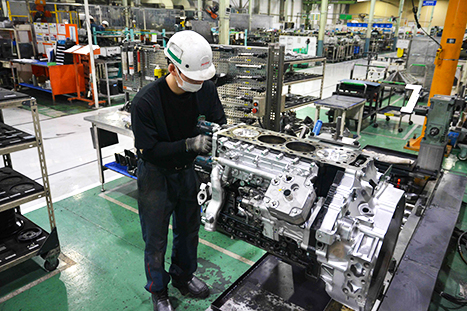
The Isuzu Group collects used engines and parts, disassembles, cleans and inspects them, and replaces the necessary components with new ones to bring them back to life as products—a process known as "rebuilding." Rebuilt products manufactured in this way undergo inspection based on quality standards equivalent to those for new products, and are sold under the Isuzu genuine rebuilt and reused parts brand, E-PARTS. Isuzu Engine Manufacturing Hokkaido Co., Ltd. is working to reduce resource use and the energy used in manufacturing through the rebuilding of engines, transmissions, and other components. The company is also working to properly manage product and parts information, helping to maintain and improve quality and to build systems that enable customers to use rebuilt products with confidence. We will continue to apply the insights gained through our rebuilding business to product development and quality improvement, aiming to provide even greater product value.
Recycling of Waste
Response to Automobile Recycling
Since the enforcement of the Act on Recycling of End-of-Life Automobiles in January 2005, Isuzu has continuously worked on the proper collection and recycling of the three designated items generated from end-of-life vehicles: fluorocarbons, airbags, and ASR*. In addition, since December 2018, Isuzu has been carrying out the appropriate collection and processing of lithium-ion batteries through the collection scheme operated by the Japan Auto Recycling Partnership (JARP). In fiscal 2026, 26 units were processed. Through these efforts, Isuzu strives to ensure the proper handling of end-of-life vehicles. Furthermore, with regard to the voluntary targets set by the Japan Automobile Manufacturers Association concerning the use of recycled materials, Isuzu is also advancing efforts to achieve the target for passenger vehicles.
- *ASR: Automobile Shredder Residue